Water Heater Repair in Connell, WA
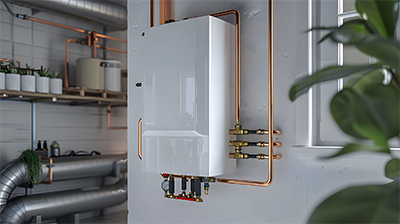 A water heater on a rural Connell property rarely works alone. It’s part of a system that may include a well, a pressure tank, long supply runs to a shop or second structure, and water that carries minerals or sediment. When the hot water falters, the cause isn’t always the heater. Shephard Plumbing repairs and replaces water heaters throughout Connell, and we look at the whole system before deciding what’s actually wrong.
When the Problem Isn’t Really the Heater
On a well system, symptoms that look like a failing water heater sometimes originate elsewhere. Low or fluctuating pressure can come from a pressure tank that has lost its air charge. Sediment drawn from the well can clog the heater’s inlet screens and fixtures. A pump that cycles rapidly can create surges that strain the heater and its connections. We check these things before recommending a replacement.
That matters because a new heater installed into a system with an unresolved problem will often develop the same symptoms. We’d rather solve the underlying issue once, and we’ll explain what we find in plain terms so you understand why.
Water Heaters for Farmhouses, Shops, and Outbuildings
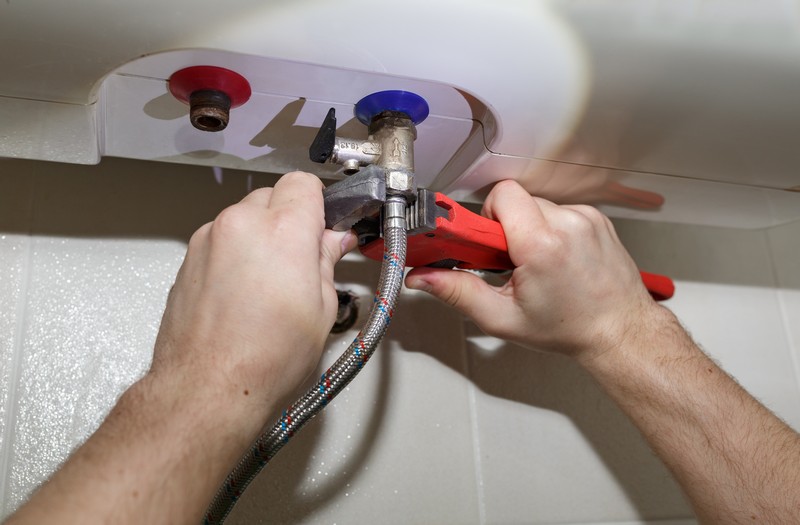 Many Connell properties have hot water needs beyond the main house. A shop with a utility sink, a detached garage with a wash area, or a bunkhouse or guest cottage all benefit from hot water, and a long run of pipe from the house heater can mean waiting minutes for water to warm up. A small point-of-use or secondary heater near where hot water is needed saves water and time.
Outbuildings also present a freeze risk that a heated house doesn’t. A heater or supply line in an unheated space needs insulation, heat tape, or a drain-down plan before winter. We can set that up, or advise you on how to protect what you already have. Here’s what our water heater service includes:
- Diagnosis of the heater and the well and pressure system feeding it
- Repair or replacement of tank and tankless units
- Installation of secondary heaters for shops and outbuildings
- Freeze protection for exposed lines and equipment
- Honest advice on water treatment where hardness or sediment is a problem
Planning Replacement for a Rural Property
Sourcing, scheduling, and installation all take longer when a property is far from town, so planning a replacement before the old heater fails makes a real difference. If your heater is approaching a decade old, or you’ve noticed rust, moisture, or declining performance, we’d rather schedule a replacement at a convenient time than rush one in the middle of winter.
We’ll quote the work honestly from the start, without surprise charges added because the property is rural. If a repair is the better value, we’ll do it. If replacement is the better choice, we’ll explain why and handle the installation start to finish.
When we finish, you’ll know how the heater works, where its shutoffs and relief valve are, and what to watch for as it ages.
Winter Readiness for Rural Water Heaters
Before the first hard freeze, walk your property and think about everything that carries water. Insulate exposed pipes, particularly those running through crawl spaces, garages, and outbuildings. Protect or drain outdoor spigots and yard hydrants. Make sure the space around your water heater is warm enough and free of drafts, and that you know where the main shutoff is.
For the heater itself, check the area around the base for moisture, listen for new noises, and confirm the temperature is steady. If you have a well, check that the pressure tank is holding its charge, since a failing tank can stress the system during the coldest weeks. Annual attention to these small details prevents most winter emergencies.
If you’d like us to walk the property with you and point out weak spots before cold weather arrives, we’re glad to schedule that. A short visit in October is much easier than an urgent one in January.