
Leak Detection in Walla Walla, WA
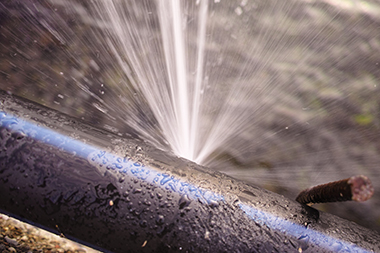 A ceiling stain in an old house tells you almost nothing about where the leak really is. Water travels along joists, pipes, and framing before it shows itself, sometimes far from its source. In Walla Walla’s older homes, with their mix of plumbing from different decades, tracing a leak takes patience and the right tools. Shephard Plumbing locates hidden leaks across Walla Walla, aiming to open as little of your home as possible.
Why Leaks in Older Homes Are Harder to Find
Older houses have older piping, and age brings its own leak patterns. Galvanized steel corrodes from the inside, eventually forming pinholes that weep slowly. Copper installed decades ago can develop pinhole leaks from internal erosion or water chemistry. Joints that were soldered or threaded long ago can loosen with years of vibration and temperature change. And because lines are often buried in plaster, behind lath, or in tight cavities, leaks can run unnoticed for a long time.
A small pinhole can leak for months, saturating framing and insulation and promoting rot or mold, before a stain appears. By the time you see evidence, the damage may already be significant. That’s why early detection matters so much in an older house.
We take care to understand the layout of your plumbing before we start looking, since older homes often have changes and additions that aren’t documented.
Pinpointing the Source With Minimal Disruption
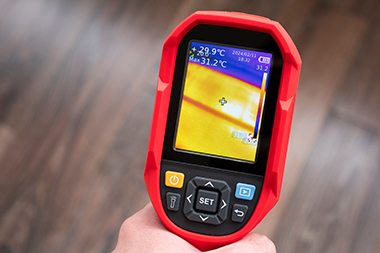 Acoustic detection listens for the sound of water escaping a pressurized pipe, and thermal imaging reveals temperature differences caused by leaking hot water or damp material. Pressure testing isolates sections of piping to show which one is losing pressure. Moisture meters confirm whether a suspect area is wet.
Together, these tools let us narrow a leak to a small area, so any opening of walls or ceilings is limited and targeted, a particular concern in historic homes where plaster and finishes are worth preserving.
Here’s what our leak detection service includes:
- Water meter testing and system isolation
- Acoustic, thermal, and moisture detection of hidden leaks
- Pressure testing of supply sections in galvanized and copper systems
- Targeted access so only the necessary area is opened
- A clear plan for repair or repiping if the system warrants it
When a Leak Is a Sign of Something Bigger
Finding one pinhole in a galvanized or aging copper system often means more are coming. Piping that’s corroded enough to leak in one place is usually corroded elsewhere, and repairing one leak at a time can become an expensive pattern. If we find signs of widespread deterioration, we’ll tell you plainly, and discuss whether repiping part or all of the system makes more sense.
That’s not a pitch. It’s a judgment call that depends on the condition of your pipes and your plans for the house. Sometimes a single repair is exactly right. We’ll show you what we found and let you decide.
If you’re preparing to renovate an older Walla Walla home, a leak check before you open walls can reveal problems you’d rather know about in advance. Water damage is among the most costly problems an old house can have, and a modest investment in finding leaks early can prevent a great deal of it.
Preparing for a Leak Detection Visit
A little preparation makes the visit faster and more effective. Write down what you’ve noticed and when: stains, sounds, bills, smells. Know where your main shutoff and water meter are, and clear access to them. Make sure we can reach the water heater, the area under sinks, and any crawl space or basement. If you’ve had previous repairs, share what you know about them.
Tell us about the home’s history, too, including additions, remodels, or earlier plumbing work. In an older house, that background often points us toward likely trouble spots, and saves time.
When a Stain Is Old News
Not every stain means an active leak. Old stains from a long-fixed problem can linger, and it’s worth knowing which you have.
We can use moisture readings to tell whether an area is currently wet, and recommend whether to monitor it, repair it, or simply refinish it.