Leak Detection in Connell, WA
 On a well system, a leak announces itself in an unusual way: the pump starts turning on more often than it should. Water leaving the system, even slowly, drops pressure, and the pump has to cycle to restore it. A pump that runs more than usual wastes electricity, wears out sooner, and is often the first clue that something somewhere is leaking. Shephard Plumbing locates leaks on Connell properties, including those that only show up as extra pump cycles.
How a Leak Shows Up on a Well System
A well pump maintains pressure in a tank. When water is used, pressure falls, and the pump turns on to refill it. In a tight system, the pump runs only when water is actually being used. If there’s a leak, water escapes continuously, pressure keeps dropping, and the pump kicks on at odd times, sometimes in the middle of the night.
You may notice a pump that clicks on when nothing is running, a pressure gauge that drops steadily, an electric bill that creeps up, or a pump that seems to run much longer than it used to. A failing pressure tank can cause similar symptoms, since a waterlogged tank cycles rapidly even without a leak, so diagnosis matters.
We check both. We test the tank’s air charge, then isolate the system to see whether pressure drops with everything off.
Long Runs, Outbuildings, and Hidden Joints
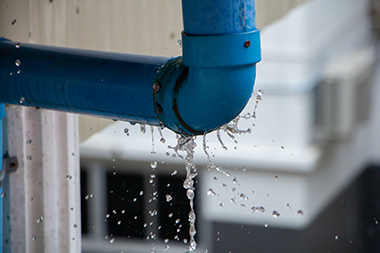 Rural properties often have long underground lines from the well to the house and onward to outbuildings, stock waterers, and yard hydrants. Joints fail, fittings corrode, and pipe gets damaged by roots, frost, and equipment. A leak along a buried run can go on for a long time, with water soaking quietly into the soil.
We isolate each section, shutting off outbuilding lines, hydrants, and branches in turn, to see where pressure holds and where it doesn’t. Then acoustic detection and pressure testing pinpoint the location. Here’s what our leak detection service includes:
- Pressure tank and pump cycling assessment
- Section-by-section isolation of house, outbuilding, and yard lines
- Acoustic and pressure-based location of buried leaks
- Marking the leak above ground to limit excavation
- A clear repair plan and price before work begins
Saving the Pump, the Power, and the Water
Fixing a leak does more than save water. A pump that cycles constantly wears out faster, and replacing a pump is far costlier than repairing a leak. Electricity use drops once the pump stops running unnecessarily. And on a well system, wasted water is wasted energy, since you paid to pump it.
If your pump seems to run more than it used to, don’t ignore it. A short visit to check the tank and test for leaks can identify a cheap fix before it becomes an expensive replacement.
We’ll tell you honestly what we find, whether it’s a leak, a tank problem, or nothing at all.
We quote the work from the start, without distance surcharges, and we’ll explain each step. A well system is an investment, and we’d like to help you protect it.
Pressure Tank Basics for Well Owners
A pressure tank stores water under pressure so the pump doesn’t have to run every time you open a tap. Inside is a bladder or diaphragm with an air charge. When that charge is lost, the tank can’t cushion pressure changes, and the pump cycles rapidly. Checking the air charge once a year, and keeping the pump’s pressure settings correct, extends the life of the system.
If you notice short, frequent pump cycles, fluctuating pressure, or sputtering faucets, the tank may need attention. It’s a straightforward check, and it’s much cheaper than replacing a pump worn out by constant cycling.
Protecting Buried Lines From Frost and Equipment
A buried line that’s too shallow can freeze in a hard winter, and one that crosses a driveway or a path used by heavy equipment can crack under load. Knowing where your lines run, marking them, and keeping equipment off them prevents damage. If a line has failed from frost or load before, we can advise on rerouting or protecting it, and document its location so it’s easy to find next time.