Water Heater Repair in Moses Lake, WA
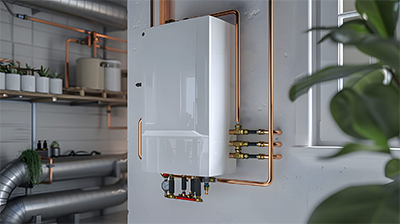 A bigger household and a smaller hot water supply is one of the most common mismatches we see in Moses Lake. Families grow, a basement bathroom gets added, and the heater that handled everything five years ago starts running out by the second shower. Shephard Plumbing repairs, replaces, and installs tank and tankless water heaters for Moses Lake homes and businesses, and we start by working out what your household actually needs.
Why Your Moses Lake Water Heater Is Running Out of Hot Water
Running out of hot water doesn’t always mean the heater is failing. Sometimes the unit is simply too small for the way the house is now used. A 40-gallon tank sized for two adults will struggle with a family of five, a soaker tub, and a dishwasher running at the same time. In that case repair won’t help, and the honest answer is a properly sized replacement.
Other times the unit really is failing. A heater that takes much longer to recover than it used to, produces lukewarm water, or makes popping and rumbling sounds is usually fighting sediment on the bottom of the tank or a failing heating element. Mineral content in the water is common across much of eastern Washington, and that sediment is a real contributor to shorter heater life. We test before we recommend, so you aren’t replacing a heater that only needed a thermostat or an element.
Moses Lake also has more seasonal and part-time households than most towns its size. A lake house that sits empty for weeks and then fills with visitors needs a heater that recovers quickly and survives long idle stretches, which is a different conversation than a full-time family home.
Tank, Tankless, or Something in Between
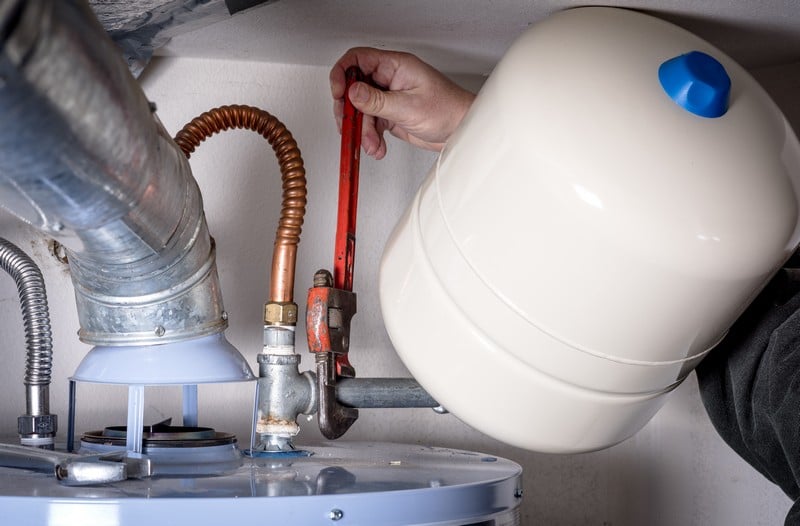 Tankless units heat water as it’s used, so they never run out the way a tank can, and they take up far less space. They also cost more up front, need adequate gas or electrical capacity, and perform best when maintained, particularly where water carries minerals. For a growing Moses Lake household with plenty of simultaneous demand, they’re often worth the investment. For a small home with modest use, a quality tank can be the better value. We’ll walk you through both options with real numbers for your house, including what installation would involve, so you can choose with the tradeoffs in front of you.
Here is what a typical water heater visit includes:
- Diagnosis of the existing heater, including thermostat, elements, burner, and valves
- An honest recommendation between repair and replacement
- Sizing based on household demand, not just the old unit’s label
- Tank and tankless installation with proper venting, shutoffs, and a pressure relief line
- Removal and disposal of the old heater
Replacing Before It Fails: What the Warning Signs Look Like
Most tank water heaters last roughly eight to twelve years, and the calls we dread are the ones where a heater has been leaking slowly for months. Rust-colored water, moisture around the base, a unit nearing ten years old, and rising energy bills are all reasons to have it looked at before the tank gives out. Replacing on your schedule is almost always cheaper and less disruptive than replacing after a flood.
If your heater sits in a garage, utility closet, or finished space in a newer Moses Lake home, a drain pan and a nearby drain line are inexpensive protections worth adding during replacement. We’ll point out when they make sense.
When a replacement is needed, we quote it clearly, handle the installation start to finish, and make sure you know how to maintain the new unit. A yearly flush and a glance at the pressure relief valve add years to its life.