Drain Cleaning in Quincy, WA
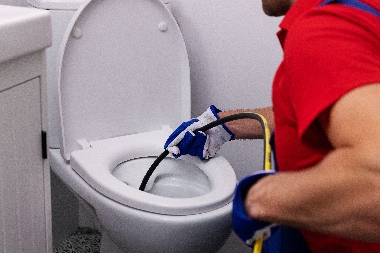 A brand-new house shouldn’t have slow drains, and yet plenty of Quincy homeowners call us within a year or two of moving in. The cause is often something left behind during construction: drywall dust, grout, joint compound, a stray piece of pipe. Shephard Plumbing clears drains in Quincy homes, rentals, and businesses, and we pay particular attention to what’s blocking the line and where it came from.
What Construction Leaves Behind
Building a house is messy, and not everything that ends up in a pipe is meant to be there. Drywall mud rinsed into a tub, cement washed into a floor drain, grout swept into a sink, and scraps of plastic pipe dropped in an open line can all end up as obstructions. They may not cause trouble immediately, but sooner or later they catch debris and a clog forms.
Poorly made connections can also create ledges inside a drain where waste snags, and sloppy gluing can leave a bead of cement inside a joint that acts like a speed bump. In a rapidly growing market like Quincy’s, speed sometimes wins over care, and homeowners find out later.
A camera shows us what’s actually in the line. If the blockage is a defect rather than ordinary buildup, we document it, which matters if you want to raise it with the builder while a warranty is active.
Rentals, Tenants, and the Usual Suspects
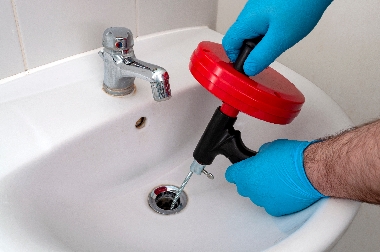 Rental properties have a different set of causes. Tenants unfamiliar with a home’s plumbing may flush wipes, put grease down the kitchen drain, or let hair accumulate in a shower. None of it is malicious, but it adds up. In multi-unit buildings, a blockage from one unit can back up another, so quick, clear diagnosis matters.
A short set of tenant guidelines at move-in, covering what can and can’t go down a drain, prevents many calls. We’re happy to help you word it. When a call does come in, we clear the line, explain the cause, and note anything the property manager should know. Here’s what our drain cleaning covers:
- Cable cleaning and hydro-jetting for new and older homes
- Camera inspection to identify construction debris and defects
- Cleaning of main lines, branch lines, and floor drains
- Documentation of defects for builder warranty claims
- Reports for landlords and property managers
Main Lines, Branch Lines, and Knowing the Difference
Understanding where a clog is helps in deciding what to do. A blockage in a branch line, like a single sink or tub, affects one fixture. A blockage in the main line affects several, and may cause water to back up in the lowest fixture in the house, usually a floor drain, shower, or tub. If more than one drain is affected, avoid using water and call us.
Locating a cleanout is another smart step for any homeowner. Knowing where it is, and making sure it’s accessible, lets a plumber reach the main line quickly. Many newer homes have one, usually near the foundation or in the garage, but it’s not always labeled.
Whether you own a new Quincy home, a long-held farm property, or a rental portfolio, we’ll give you an honest diagnosis, a clear price, and a clean, careful job.
And if the answer is that your drains are simply due for routine cleaning, we’ll tell you that, too, and we’ll help you set a schedule that works.
Hidden Causes in Multi-Unit Buildings
Properties with several units share drain lines, and that complicates diagnosis. A clog in the main stack can back up the lowest unit first, even though the blockage originates elsewhere. A tenant in a ground-floor unit may report a problem caused by what happens in an upstairs unit. Without a camera and some detective work, it’s easy to clear the wrong line and leave the real cause untouched.
We trace the problem to its source, clear it, and note which line was involved, so you have a record. For owners of small multi-unit properties in Quincy, that history helps you spot patterns, such as a unit that repeatedly causes trouble or a stack that’s due for jetting.