Leak Detection in Ephrata, WA
 A damp spot in a basement raises an immediate question: is it plumbing, or is it groundwater? The answer determines the fix, and it isn’t always obvious. In Ephrata’s older homes, where basements and lower levels have seen decades of seasons, moisture has many possible sources. Shephard Plumbing checks whether the water is coming from your pipes, so you know where to focus your attention and your money.
Plumbing or Groundwater?
Moisture in a basement can come from a leaking supply line, a failing drain, a leaking water heater, condensation on cold pipes, a window well that doesn’t drain, or groundwater seeping through a foundation. Each has a different remedy. Treating the wrong cause wastes money and lets the real problem continue.
We start by ruling the plumbing in or out. A meter test shows whether water is escaping from a pressurized line. A check of fixtures, appliances, and the water heater finds visible leaks. Pressure testing and acoustic detection find hidden ones. If the plumbing is sound, we’ll say so, and you can look at drainage and grading as the next step.
That clear answer is often the most valuable thing we provide.
Pinhole Leaks in Aging Copper and Other Common Culprits
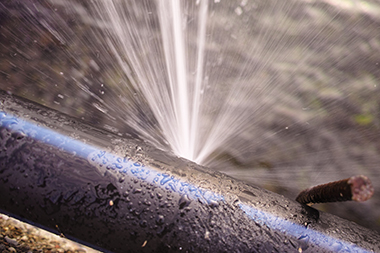 Older homes with copper supply lines sometimes develop pinhole leaks, tiny holes that form where the pipe wall has thinned.
They can spray a fine mist inside a wall or run slowly for a long time, leaving staining and damp insulation. Other common sources include failing shutoff valves, corroded fittings, deteriorating washing machine hoses, and weeping water heater connections.
These leaks are often small, and they’re often hidden. Finding them without opening everything up takes the right tools and some patience. Here’s what our leak detection service includes:
- Meter testing to confirm whether water is escaping
- Checks of fixtures, appliances, hoses, and the water heater
- Acoustic, thermal, and moisture detection of hidden leaks
- Pressure testing of supply lines
- A clear statement of whether the plumbing is the source
What to Do While You’re Waiting
If you find water, first stop the source if you can. Shut off the water to the affected fixture, or at the main if necessary. Move belongings out of harm’s way, and soak up standing water. Take photos for insurance purposes, and open windows or run fans to help things dry. Avoid using electrical equipment in wet areas.
Don’t paint over a stain or cover moisture without finding the cause. Doing so hides the evidence, and the problem continues underneath. Call us, and we’ll help you work out what’s happening.
Persistent moisture encourages mold, which can start within a day or two in the right conditions, so it’s worth acting promptly.
Once we’ve determined the source, we’ll explain your options clearly, and give you a fair price for any repair. If the plumbing is fine, we’ll tell you that, too.
Repair or Replace: Aging Supply Lines
Finding a leak in aging supply piping raises the question of whether to repair one spot or replace more. A single leak in otherwise healthy pipe is a simple repair. Several leaks in a short time, or pipe that looks badly corroded wherever we open it, suggest the system as a whole is deteriorating.
We’ll show you what we found and explain your options. Replacing a section can sometimes be a middle path, addressing the worst piping while leaving sound sections alone. The right answer depends on the pipe’s condition, your budget, and your plans for the house. We’ll give you our honest opinion and let you decide.
Insulating Pipes That Sweat
Cold water pipes in humid basements can condense moisture and drip, mimicking a leak and damaging finishes over time. Foam pipe insulation is inexpensive and easy to add, and it often solves the problem. When we check a damp basement, we look for this, so you don’t pay for a leak repair when insulation would do the job.