Water Heater Repair in Ephrata, WA
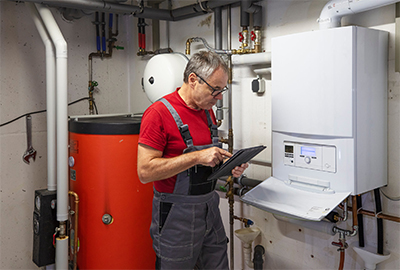 Many Ephrata homes have had the same water heater longer than the current owners have lived there. Tanks that were installed in the early 2010s, or earlier, are now at an age when a slow leak or a sudden failure becomes likely, and the damage they cause depends heavily on where they’re installed. Shephard Plumbing repairs and replaces water heaters throughout Ephrata, and we’ll help you decide whether yours has a future or deserves a retirement party.
How to Tell if Your Heater Is on Borrowed Time
The first clue is age. The manufacture date is printed on the label on the side of the tank, and most tank units last roughly eight to twelve years. After that, they don’t fail at a predictable moment, they simply become more likely to. The second clue is behavior: a heater that rumbles, takes longer to heat, produces rusty water, or has begun to weep from fittings or the base is telling you something.
A heater that’s leaking from the tank itself can’t be repaired. Moisture on the floor is often the first sign, and by then the damage is underway. If your heater sits above a finished room, in a basement, or beside wood framing, it’s worth replacing before it gets to that point.
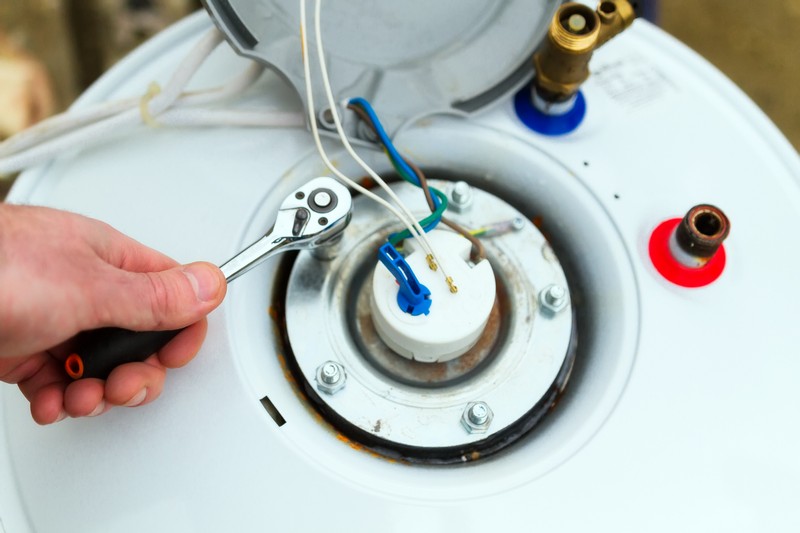
On the other hand, a heater with a failed thermostat or element is often repairable at a fraction of replacement cost, and we won’t tell you otherwise just to sell a unit.
Protecting Your Home From a Water Heater Leak
 The best defenses are simple. A drain pan beneath the heater, plumbed to a drain or an exterior, catches slow leaks. A properly installed pressure relief valve with a drain line protects against dangerous pressure. A shutoff valve that works lets you stop the water quickly. And a leak sensor near the base can alert you before a small drip becomes a flood.
We add these protections during every replacement where they’re appropriate, and we’re happy to retrofit them to an existing heater. Here’s what our water heater work covers:
- Diagnosis and repair of gas and electric water heaters
- Replacement with tank or tankless units sized for your home
- Installation of drain pans, shutoff valves, and relief valve piping
- Disposal of the old unit
- Plain-language advice on maintenance and expected lifespan
Residential and Business Hot Water in Ephrata
As the Grant County seat, Ephrata has a steady mix of offices, small businesses, and long-established homes, and each depends on hot water differently. A small office needs enough for restrooms and a break room. A salon, restaurant, or clinic needs far more. We size commercial replacements around real use and plan installations to minimize time without hot water.
For homeowners, a replacement is also a chance to reconsider your system. Tankless units can free up space and provide endless hot water, and some households would benefit from a larger tank. We’ll talk through your options without pressure and give you a clear price before any work begins.
We’d rather you replace a heater on your own timetable, with a plan and a price, than in the middle of a cold morning with water on the floor.
Gas, Electric, or Tankless: Choosing for an Ephrata Home
The right type of water heater depends on your fuel options, your space, and how your household uses hot water. Electric tanks are simple and have no venting requirements, and electricity costs in this part of Grant County are comparatively low. Gas tanks recover quickly and can lower operating costs where gas is available, but they need proper venting and combustion air. Tankless units offer endless hot water and save space, but they cost more up front and need adequate fuel or power capacity.
There’s no single best answer. A household of two with modest use may be well served by a standard tank. A family with simultaneous demand might benefit from a larger unit or a tankless system. We’ll go through your actual usage and your home’s constraints, give you a clear price for each option, and let you decide with the tradeoffs in front of you.
Whatever you choose, installing it correctly matters as much as the unit itself, from venting and relief piping to shutoff valves and pans.